
Running Away From Heart Disease
Running Away From Heart Disease
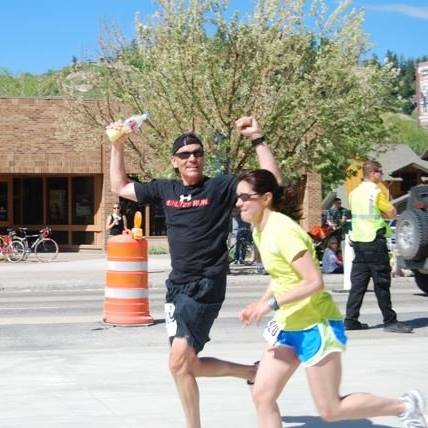
This photo was taken at the Steamboat Springs Half Marathon on June 6, 2010.
I’m messing around near the finish line, and my wife Becky is leaning hard trying to pass me.
We were living in Castle Rock at the time. I was 43. She was 40.
And somehow — despite her best effort — we crossed the line at the exact same time:
2:03:27
Yes, that part still makes me laugh.
She’d been running half marathons that year and was right on the edge of moving up to full marathons. I’d already run several marathons by then and was logging around 50 miles a week. At the time, it felt like just another race-day moment.
Looking back, it explains almost everything about why I still run.
My Family Doesn’t Lose to Time — It Loses to Heart Disease
Heart disease runs through my family like clockwork.
-
My uncle died at 18, walking back from a military physical
-
My mother survived multiple heart attacks — the last one took her
-
My sister died in her 40s from a heart attack
-
My father died from a heart attack
-
Both grandfathers died from heart attacks
When doctors look at my chart — during the one physical a year my wife makes me go to — they regularly suggest statins. I’ve declined. That’s a personal decision, not advice.
The point is this: based on genetics alone, I should probably be a walking heart attack. And I likely would be if I hadn’t made different lifestyle choices.
What I chose to do was run.
A lot.
Not thousands of miles — tens of thousands of miles.
Think about it this way:
If you run 40 miles a week for 50 weeks a year, that’s 2,000 miles annually.
Do that for 20 years and you’ve run 40,000 miles.
That’s a lot of time for your heart, lungs, mind, and body to adapt — and a lot of time to think about life, liberty, and the pursuit of happiness. It’s hard for your body not to benefit from that kind of consistency.
I Didn’t Start Running to Race — I Kept Running to Outrun Genetics
I ran my first half marathon in the early 2000s, from Georgetown to Idaho Springs. Back then, I stayed in shape with handball, weights, jump rope, and occasional runs.
Everything changed around 2005.
A business collapsed. I started selling cars. I began running regularly with a group from the dealership. By 2007, friends and I were running 10–20 miles before work, lifting afterward, then showing up around 10 a.m.
In 2008, I signed up for my first full marathon — the San Diego Rock ’n’ Roll Marathon.
I haven’t really stopped since.
123 Marathons Later
I’m 58 now. I’ve run 123 marathons, and I’m currently trying to decide whether I can squeeze another one in next month or have to wait until March.
I’m an addict. A freak about running — hence the name of this site.
I’m slower than I used to be — about an 11-minute pace — but I don’t run for time anymore. I run to keep my heart working, my mind clear, and my genetics in check.
Years ago, during a cardiac stress test, the technician said:
“You just passed the test we give firefighters.”
I kept going.
She later told me only one person had ever beaten that score while she worked there — an ultra-marathon runner.
I wasn’t trying to impress anyone.
I was just running… consistently.
And honestly, having a good time on her treadmill.
I’ve broken my ankle twice. One surgeon told me I’d probably blow out my Achilles and labeled me “non-compliant.”
I didn’t. I kept running.
I’ve run through more injuries than I can count. I’ve run marathons in sandals, shoes with no support, shoes with support — pretty much every brand imaginable.
I just love to run. And it’s kept me wearing shorts and T-shirts instead of a dirt suit.
You Can’t Cheat a Marathon
You can fake a lot of things in life.
You can’t fake a marathon.
If I sign up for six races a year, I have to keep running. There’s no shortcut. No cheat code. The training becomes the discipline. The discipline becomes the protection.
That’s the real benefit.
And yes — supplements have been part of my daily routine for years.
I know some people say supplements don’t work and only give you “expensive urine.” I’ve never bought that argument. I’ve always believed that antioxidants and proper nutrients help the body repair itself.
It’s not magic. It’s biology.
Think about sailors in the 1700s and 1800s getting scurvy from vitamin C deficiency. The body needs raw materials to function.
People ask me about supplements all the time. Here’s what I actually do — nothing exotic, nothing optimized.
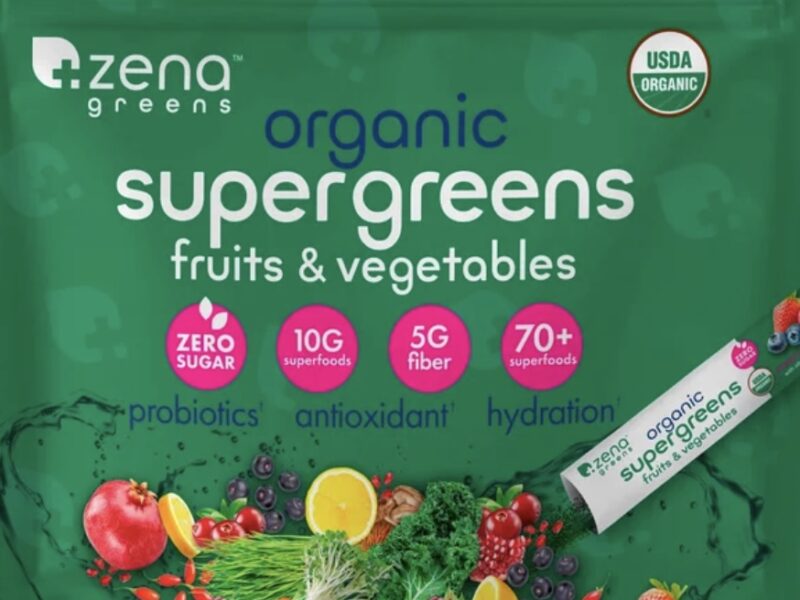
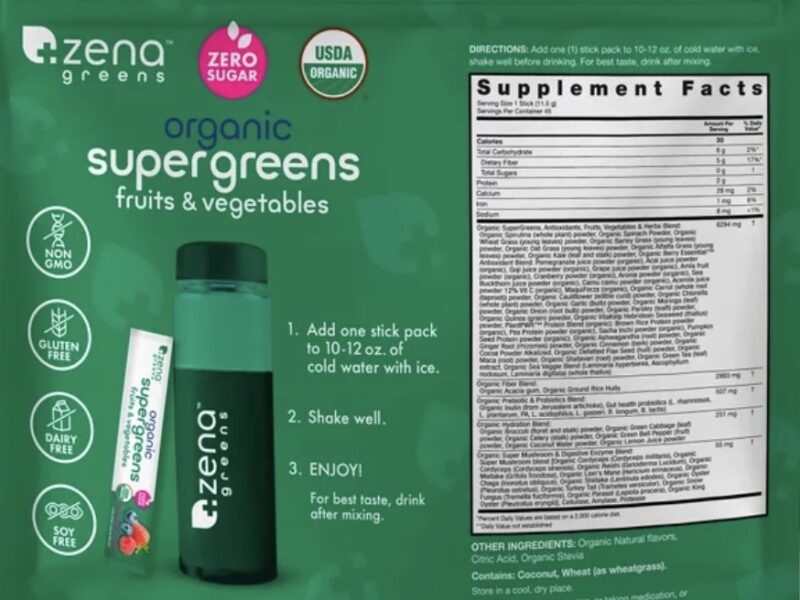
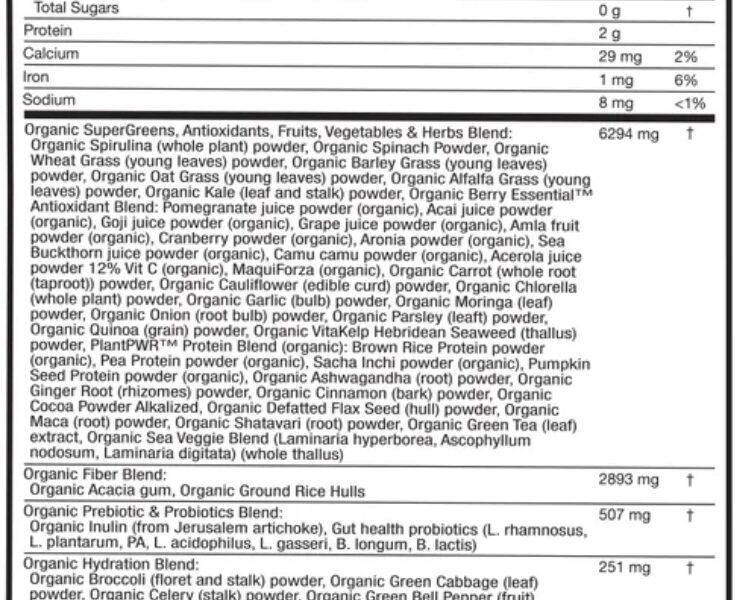
During long runs and races, I bring water bottles mixed with an organic supergreens powder (usually Costco-sourced). I typically carry two bottles on marathon days.
I’ve tried plenty of products over the years. I’m not loyal to brands — this one just happens to be a solid value with a good mix of fruits, vegetables, and antioxidants.
During my last race, I forgot it — and I could tell. I ended up mixing two bottles of Zipfizz, which I normally drink about one serving of per day anyway.
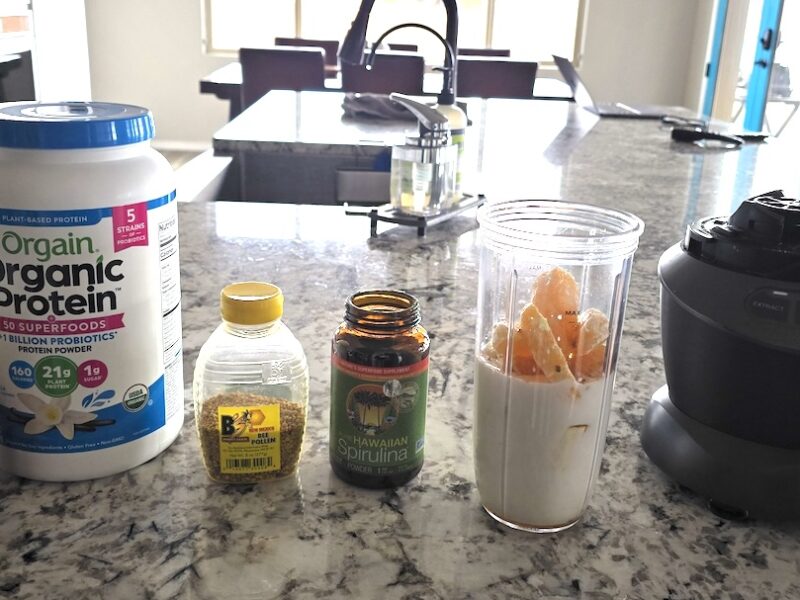
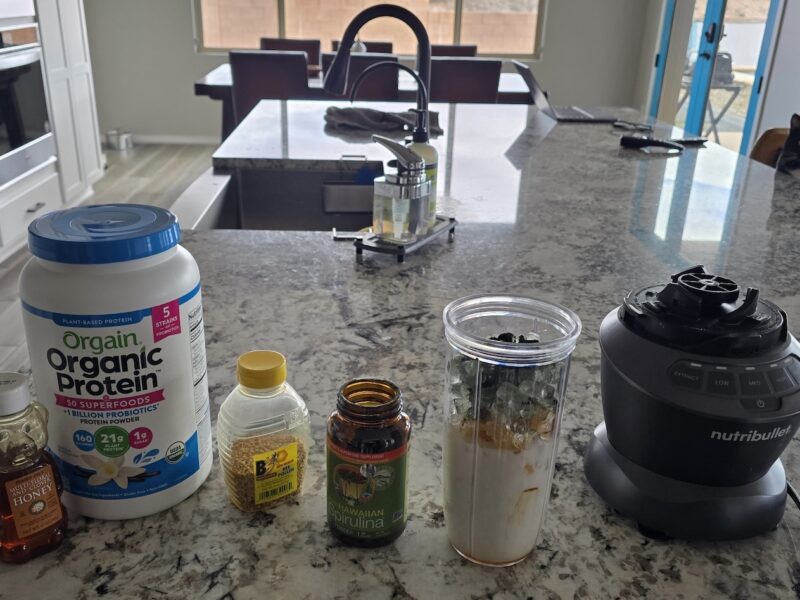
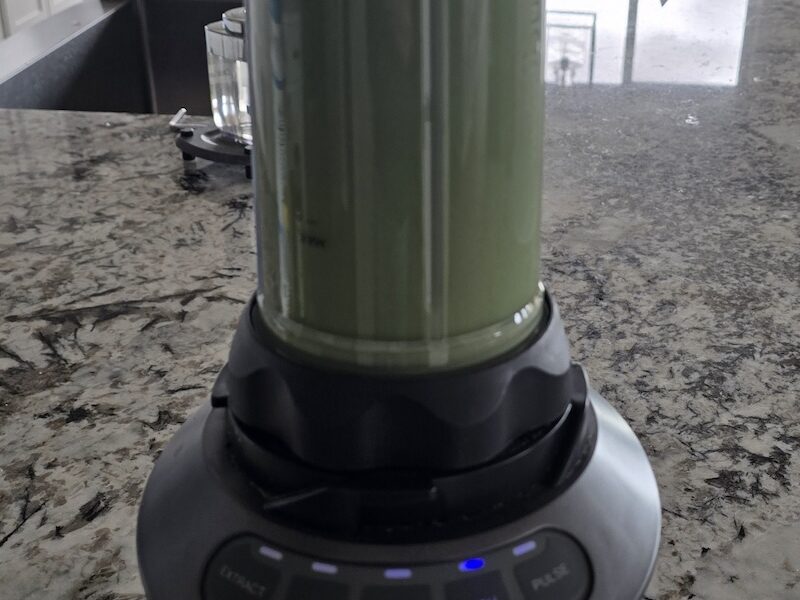
Outside of races, I regularly make a simple protein shake — especially after longer runs. It usually includes some combination of:
-
Almond milk or regular milk
-
A banana
-
Ice
-
Protein powder
-
Bee pollen
-
A small amount of honey or agave
-
Occasionally Hawaiian spirulina
That’s it. No system. Just routine.
Why antioxidants? Hard exercise creates free radicals — the same oxidative process that turns a banana brown when it sits out. Antioxidants help neutralize that process during and after exertion.
I also:
-
Drink unsweetened matcha or green tea daily, with agave as a natural sweetener
-
Take a quality multivitamin, staggered through the day
-
Read labels, avoid fillers, and steer clear of synthetic vitamins when possible
Because I run consistently, I’m burning through nutrients daily — sweating them out — so replenishment matters to me.
No miracle products.
No magic pills.
Just consistency.
“Running Is Bad for Your Knees” (And Other Myths)
Years ago, I sold a car to a physical therapist who worked in a nursing home. It turned out that she was an elite runner.
I asked her about all the doctors who say running is bad for your knees.
She laughed and said:
“I work with the elderly every day. I hear every excuse in the book for not exercising. The truth is — you’re going to fall apart anyway. You might as well prevent all the other problems they don’t talk about.”
I never forgot that.
A Recent Reminder
I posted a story here about the Las Cruces Marathon I ran four days ago. I shared it on my own social media — nothing fancy.
In about two days, it picked up roughly 90 views.
That’s when it clicked again:
People aren’t looking for perfect content.
They’re looking for real experiences that feel earned.
Why This Story Lives on RunnerFreak
This isn’t about medals or placements.
It’s about moments you remember — and laugh about later.
On Runner Freak, stories don’t disappear into social feeds or vanish when race websites go offline. They become permanent parking spots — where race weekends, mistakes, lessons, and memories live on.
If you’ve got a running story, it belongs here.
Want to Post a Story Like This?
-
$19.95 = 5 listings (even if you’re one-and-done)
-
$9.95 = 5 more
-
Listings never expire
You don’t need to be fast.
You don’t need to win.
You just need a story worth placing.
And you don’t even have to be a runner.
Maybe you watched a race.
Maybe you crewed for someone.
Maybe you’ve got that family member who puked at the finish chasing Boston.
You can even earn by sharing Runner Freak — Influencer signup is free.
We’re all running the same race called life.