
When Did Marathons Start Costing Like Airline Tickets?
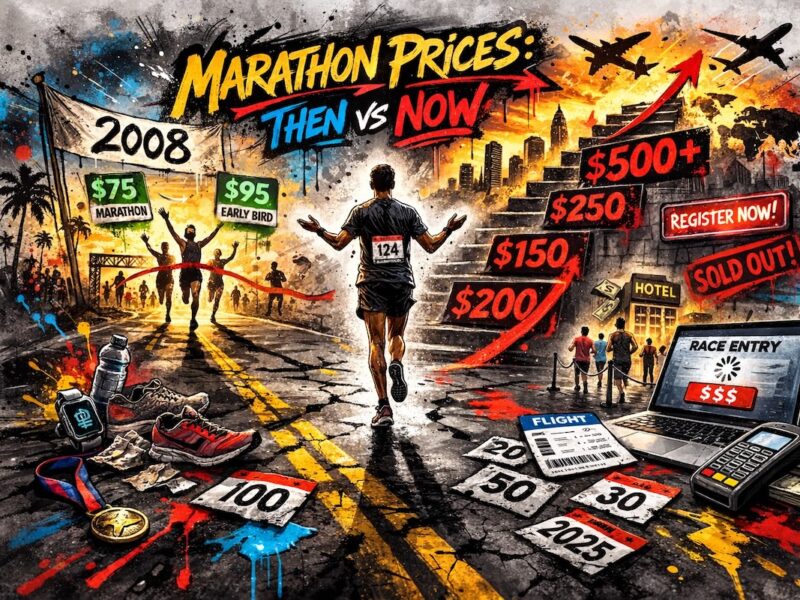
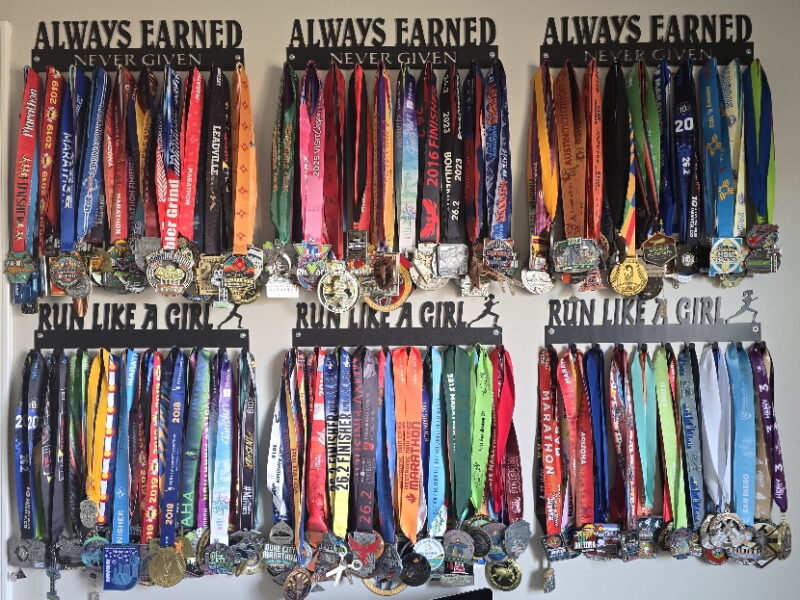
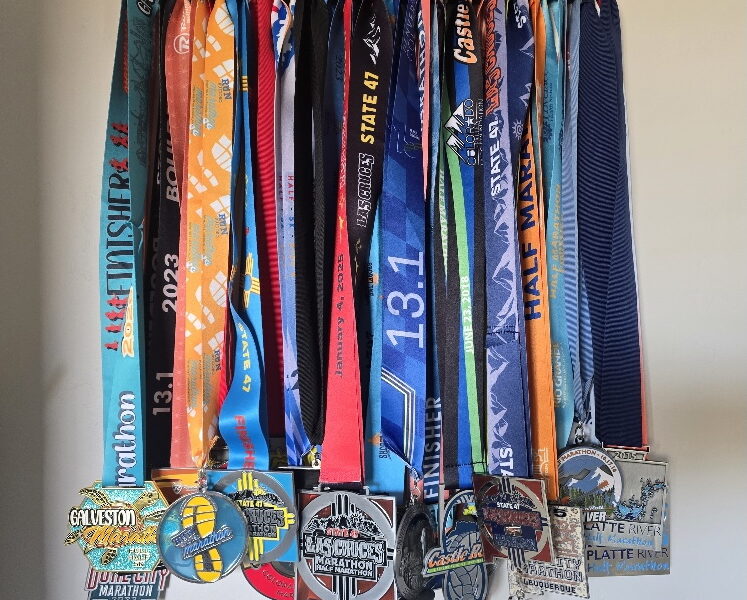
I’ve Run 124 Marathons. This Is Both a Personal Realization and an Industry Reality Nobody Wants to Say Out Loud.
I ran my first marathon in 2008 at the San Diego Rock and Roll Marathon.
Since then:
-
I’ve run 124 full marathons or longer distances
-
My wife Becky has run 100 marathons (plus many half marathons)
-
Many of our friends have run 30, 50, even 100+ races
So this is NOT the perspective of someone training for one bucket-list race a year.
This is the perspective of people who live in the sport year-round.
And something has clearly changed.
Not the distance.
Not the discipline.
Not the challenge.
The pricing.
And the structure around it.
Running Used to Be One of the Simplest Sports on Earth
Shoes (or sandals).
Shorts.
Socks.
Maybe a hat and sunglasses.
You showed up.
You ran.
You went home.
That was it.
Now?
Just the race entry alone for TWO people to run a marathon or even a half marathon can easily land in the $200–$400 range.
And that’s BEFORE:
-
Airfare
-
Hotels
-
Rental cars or Ubers
-
Travel meals
-
Time off work
Suddenly, one race weekend quietly becomes a $600–$1,200 decision.
For running.
Not surfing in Maui.
Not snowboarding in Vail.
Running.
The Airline Pricing Model Has Entered Marathon Racing
Register early = cheaper
Wait until your schedule is clear = pay more
Destination race = premium pricing
You might see:
$70–$90 a year out
$150–$200+ closer to race day
For the exact same 26.2 miles.
26.2 miles in Albuquerque.
26.2 miles in Texas.
26.2 miles in Nebraska.
Still 26.2 miles.
The distance does not get harder because the price doubled.
Most People at the Start Line Are NOT First-Timers
At almost every race:
“Who’s running their first marathon?”
Maybe 10–20% raise their hands.
That means 80%+ are repeat runners.
People on their 5th.
Their 10th.
Their 50th.
Running Freaks.
And pricing the sport like it’s a once-a-year luxury experience ignores how the sport is actually lived.
This Isn’t Surfing in Maui or Snowboarding in Vail
Running isn’t a luxury sport.
It never was.
Part of what makes running powerful is this:
There are kids running barefoot in parts of Africa who will one day toe the line at Boston and set world records.
No expensive gear.
No lift tickets.
No memberships.
Just legs.
Heart.
Consistency.
That’s what made it accessible.
So when marathon pricing starts feeling more like a travel product than a sport, it’s worth acknowledging the shift.
Half Marathons Are Now Nearly Full Marathon Prices
Half the distance.
Nearly the same price.
And in some races?
You’re getting:
Water.
Gatorade.
Maybe a banana.
No gels.
No real fuel support.
Usually, not even a chocolate milk at the finish line.
For longtime runners, that raises a simple question:
Where exactly is the added value?
Higher Fees… But Not Always Better Support (Real Example)
Last week, a buddy of mine ran the Tucson Marathon.
He’s run over 100 marathons.
He knows races.
At mile 14, he took a serious fall.
Bloody knees.
Hands scraped raw.
Skin gone.
He got himself to an aid station and asked for a bandage.
They didn’t have one.
So he did what runners do.
He kept going.
He ran another 12 miles, finished in 4:17 — which is impressive after a fall like that — and got doctored up by his wife at the finish.
His exact words?
“I’ll never run that race again.”
That’s not drama.
That’s a paying customer talking.
And it raises a fair question:
If entry fees are climbing, why does basic runner support sometimes feel like it’s shrinking?
The Safety Conversation Nobody Wants to Have
Some races are extremely well organized.
Others?
You’re:
Crossing active intersections
Running near open traffic
“Protected” by cones from vehicles moving 40–45 mph
Carrying all your own fuel because aid support is minimal
That is not the same as a fully closed, controlled course.
Personally, I would rather:
Pay $75–$100
Run a well-organized race
Know the course is secure
Than pay more and feel like I’m navigating traffic during a marathon.
Safety and runner support should scale UP with pricing.
Not stay flat — or shrink.
The Ironman Philosophy Is Creeping Into Marathons
Ironman athletes might do 1–2 major races per year.
Many runners?
4 races.
6 races.
12 races.
When pricing creeps upward, the cumulative cost becomes the real issue.
Not just one entry fee.
The entire season.
The Real Budget Killer: Travel
Here’s the part most runners overlook.
Travel is often more expensive than the race itself.
Hotels.
Flights.
Rental cars.
Peak pricing.
Now in my case, I use:
-
Travel deal sourcing
-
Discount lodging strategies
-
Discount rental car strategies
-
Timeshare-based travel structures
-
Travel systems I document on Travelers Freak
-
Business structure for much of my travel
So in many cases, I can reduce lodging and travel costs enough that the race entry gets absorbed by savings.
Most runners are not doing this.
They’re paying:
Full hotel rates
Retail airfare
Full transportation
Plus rising race fees
Then wondering why one race weekend quietly costs $1,000+.
That’s not just a running problem.
That’s a travel strategy problem.
My Strategy After 124 Marathons (With Becky at 100)
Simple.
I now prioritize:
-
Well-run races
-
Reasonable pricing (ideally $100 or less)
-
Organized, safe courses
-
Actual runner support
Because here’s the truth:
The discipline doesn’t increase because the price increases.
The effort doesn’t increase because the price increases.
The distance doesn’t change because the price increases.
26.2 miles is still 26.2 miles.
This Isn’t Anti-Race. It’s Pro-Runner Reality.
I love races.
I love the community.
And I’ll keep lining up at the start.
But after running a ton of marathons — with the Alamo Marathon in San Antonio this weekend, and Becky running the Half — you start to notice patterns.
- Higher costs.
- Airline pricing models.
- Variable support.
- Safety conversations being ignored.
- Less for more.
Running should not quietly become a cost-prohibitive sport for the people who actually participate in it.
If You Want to Offset Race Travel Costs (What I Personally Use)
Since travel is now one of the biggest expenses of marathon running, I’ve documented the exact systems I use:
Travel Deals (Free with Travelers Freak):
https://www.travelersfreak.com/travel-deals/
Travel In A Box (Strategy Overview):
https://salesfreak.com/the-sales-freaks-travel-in-a-box/
Not required.
Not necessary.
Just tools I personally use after 100+ marathons to keep the sport sustainable.
Because the goal should be simple:
Run more.
Travel smarter.
And keep one of the most accessible sports on earth from turning into a luxury-priced hobby.